Table of Contents
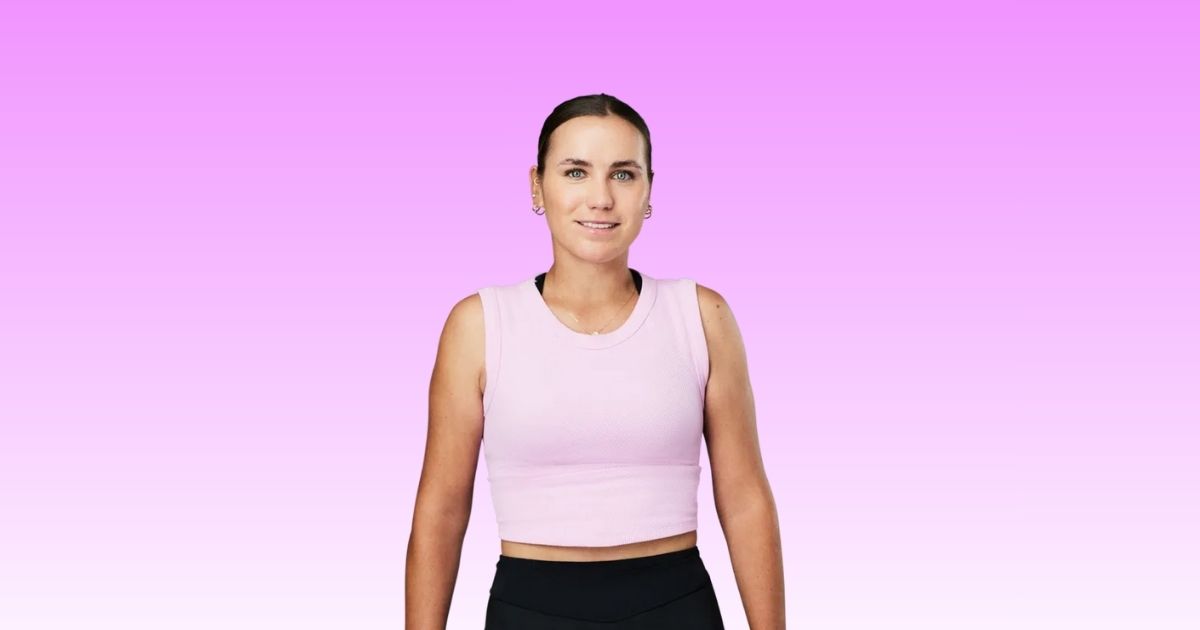
Sofia Kenin: From Underdog to Grand Slam Hero
The American tennis has had numerous champions but hardly any has gotten their hearts the way Sofia Kenin has. The story of her transformation of being a little girl with big hopes into a Grand Slam champion is the story of the contemporary tennis success- the success that is based on the will and readiness to win, the ability to plan everything and the faith in own skills.
This is the ultimate biography of Sofia Kenin, who has achieved professional stardom in the world of tennis after starting her career as a young child and going through the pivotal moments that made her what she is today in tennis with her unique playing style that had made her a powerhouse on the WTA Tour. Tennis fans will learn how her offensive bottom-line style, together with her court finesse and a strong psychological fortitude, helped her to play at the top and to secure her position among the tennis worlds.
By carefully reviewing her career achievements, playing philosophy and personal life story, this biography is able to tell us what makes Kenin a legendary figure in the world of women tennis and how her philosophy can still inspire other players around the globe.
Early Life and Background
Her early journey shares some similarities with players like Belinda Bencic who also developed strong discipline and ambition from a young age.
Personal Information :
- Born : December 14, 1998, in Moscow, Russia
- Nationality : American (moved to the US as a baby)
- Height : 5’7″ (170 cm)
- Playing Style : Right-handed, two-handed backhand
- Parents : Alexander Kenin (father/coach) and Svetlana Kenina (mother)
- Residence : Pembroke Pines, Florida
Family Foundation and Tennis Beginnings:
- The Kenin family relocated to the United States when Sofia was just six months old, seeking better opportunities and tennis development.
- Her father, Alexander, a former tennis coach, recognised her natural athletic ability and competitive spirit early.
- Started playing tennis at age five at local clubs in South Florida
- Mother Svetlana provided emotional support while managing the family’s sacrifices for Sofia’s tennis career.
- Family’s Russian heritage instilled a strong work ethic and discipline that became hallmarks of her approach.
Junior Development Path :
- Trained extensively at Florida tennis academies, developing her aggressive baseline style
- Competed regularly on national junior circuits, learning to adapt to different playing conditions
- Won multiple junior titles, including significant victories at prestigious tournaments
- Developed her signature fighting spirit and ability to compete under pressure from an early age
- Mental coaching became a priority during her teenage years, preparing her for professional challenges
Foundation for Success :
- Early exposure to high-level coaching helped refine technical skills
- Family’s financial sacrifices demonstrated the commitment needed for professional success
- A multicultural background provided perspective and adaptability for international competition
- A strong family support system created stability amid the pressures of junior tennis
Career Summary and Playing Style
Playing Identity and Strengths
Baseline Dominance :
- Aggressive court positioning puts immediate pressure on opponents from the start
- Powerful groundstrokes from both wings create consistent offensive opportunities
- Exceptional court coverage allows for both defensive retrievals and quick transitions to attack
- Strategic shot placement forces opponents into uncomfortable positions
- Her baseline-driven, fearless hitting approach is comparable to the modern aggressive style seen in rising talents such as Mirra Andreeva, especially in the way both players absorb and redirect pace with confidence.
Technical Analysis :
Forehand Mechanics:
- A compact swing with excellent timing generates both power and precision
- Ability to flatten the ball or add heavy topspin depending on tactical needs
- Strong crosscourt patterns set up devastating down-the-line winners
- Contact point consistency allows for reliable shot execution under pressure
Backhand Excellence:
- A two-handed backhand provides stability and power from defensive positions
- Can redirect pace effectively while maintaining depth and accuracy
- Strong down-the-line backhand opens up court geometry
- Exceptional ability to handle high-bouncing balls with proper technique
Serving Strategy:
- Focuses on placement and variety rather than pure power
- First serve targets corners and body to set up favourable rally positions
- Second serve emphasises consistency while maintaining enough pace to avoid aggressive returns
- Smart serving tactics in pressure situations demonstrate court awareness
Return Game Mastery:
- Positions herself to take returns early and dictate rally direction
- Excellent at neutralising big serves through quick reflexes and proper positioning
- Second serve returns frequently put opponents in defensive positions immediately
- Strategic return placement based on opponent tendencies and court position
Mental Game Strengths:
- Sports psychology training helps with on-court decision-making
- Emotional regulation allows for consistent performance during challenging moments
- Strategic thinking adapts game plans based on opponent weaknesses
- Resilience converts difficult situations into competitive advantages
Major Career Milestones
Grand Slam Breakthrough
2020 Australian Open Victory:
- Won her first Grand Slam title at age 21, defeating Garbiñe Muguruza in the final
- Overcame multiple seeded players through confident, aggressive play
- Victory announced her arrival as a legitimate championship contender
- Prize money and ranking points transformed her career trajectory
- During her rise to the top, Kenin delivered several high-impact performances against elite opponents, including players known for variety and tactical versatility similar to Daria Kasatkina.
Grand Slam Consistency:
- Reached the 2020 French Open final, demonstrating clay court adaptability
- Multiple fourth-round appearances across different Grand Slam tournaments
- Consistent early-round victories showed the ability to handle pressure at major events
- Mental toughness in key tournaments became a defining characteristic
WTA Tour Success:
- Multiple WTA titles across different surfaces and tournament categories
- WTA 1000-level victories against elite fields of players
- Consistent ranking among the world’s top players through sustained excellence
- Prize money earnings reflected her status among the tennis elite
Notable Victories and Rankings
Career-Defining Matches:
- Victories over multiple former world number ones established credibility
- Comeback wins demonstrated mental resilience under extreme pressure
- Straight-set victories against elite players showed tactical superiority
- Tournament runs included defeats of several Grand Slam champions
Ranking Progression:
- Steady climb through WTA rankings reflected consistent improvement
- Top 10 breakthrough marked transition from promising player to elite contender
- Career-high ranking achievement came through sustained high-level performance
- Maintained top-level positioning through consistent tournament results
Surface Versatility:
- Hard court success formed the foundation of her professional achievements
- Clay court adaptation shown through deep runs at Roland Garros
- Indoor hard court tournaments highlighted her ability to adjust to different conditions
- Grass court development improved through focused preparation and match experience
Breakthrough Moments
Path to Australian Open Glory
Tournament Progression:
- Early rounds built confidence and match fitness for championship week
- Each victory increased belief in her championship potential
- Tactical adjustments during the tournament demonstrated adaptability under pressure
- Final performance showcased Grand Slam readiness and championship mentality
Impact on Career:
- Victory provided a confidence boost for future Grand Slam competitions
- Ranking improvement opened doors to better tournament seeding
- Media attention increased significantly with championship success
- Sponsorship opportunities reflected her marketability and global appeal
Mental Breakthrough:
- Proved ability to handle the pressure of a Grand Slam final
- Tactical execution under pressure demonstrated championship composure
- Victory validated years of preparation and family sacrifices
- Established foundation for sustained success at the highest level
French Open Final Run
Clay Court Mastery:
- Adaptation to a slower surface showed tactical flexibility
- Patient point construction demonstrated strategic maturity
- Physical fitness allowed for extended rally success
- Mental approach adjusted for longer points and matches
Learning Experience:
- Final appearance provided experience for future championship opportunities
- Match analysis revealed areas for continued improvement
- Confidence gained from reaching the final at different Grand Slam venues
- Surface-specific preparation became more sophisticated
Personal Life and Interests
Family Relationships
Parental Support:
- Father Alexander serves as coach, providing technical and strategic guidance
- Mother Svetlana handles emotional support and family logistics
- Close family unit maintains stability amid professional tennis demands
- Russian heritage influences work ethic and competitive approach
Cultural Identity:
- American citizenship combined with a Russian cultural background
- Multilingual abilities assist with international media obligations
- Cultural appreciation influences perspective on global competition
- Family traditions were maintained despite an extensive travel schedule
Interests Beyond Tennis
Personal Hobbies:
- Reading provides mental stimulation during travel periods
- Music appreciation helps with relaxation and mental preparation
- Fashion interests reflect personal style and off-court personality
- Social media engagement maintains a connection with fans while preserving privacy
Educational Pursuits:
- Continued learning alongside a professional tennis career
- Language skills enhanced through international competition
- Cultural experiences gained through worldwide tournament travel
- Personal development priorities balanced with tennis commitments
Public Image and Responsibility
Media Presence:
- Professional approach to interviews and press conferences
- Social media engagement balances personal sharing with privacy maintenance
- Sponsor relationships reflect personal values and authentic partnerships
- Role model status acknowledged through community involvement
Community Engagement:
- Tennis clinic participation encourages youth participation in the sport
- Charitable activities support causes important to her family
- The cultural ambassador role promotes a positive image of American tennis
- Mentorship opportunities for young players following similar paths
Playing Philosophy and Mentality
Competitive Mindset
Match Preparation:
- Video analysis identifies opponent patterns and strategic opportunities
- Mental visualisation prepares for various match scenarios
- Physical warmup routines ensure consistent pre-match preparation
- Tactical discussions with coaching staff enhance match approach
On-Court Decision Making:
- Point-by-point focus prevents overthinking about match outcomes
- Strategic flexibility allows tactical adjustments based on opponent responses
- Emotional regulation maintains an optimal performance state throughout matches
- Risk assessment balances aggressive play with smart shot selection
Training Philosophy
Technical Development:
- Continuous refinement of existing strengths rather than major technical overhauls
- Practice sessions simulate match conditions and pressure situations
- Video review identifies improvement opportunities and successful patterns
- Repetition builds muscle memory for consistent stroke execution
Mental Training:
- Sports psychology sessions address performance anxiety and confidence
- Meditation and mindfulness practices enhance focus and concentration
- Pressure training prepares for high-stakes tournament situations
- Goal setting provides clear objectives for continued improvement
Long-Term Career Vision
Professional Aspirations:
- Multiple Grand Slam title ambitions drive daily training efforts
- Sustained excellence over an extended career requires careful planning
- Legacy considerations include inspiring future generations of tennis players
Personal Growth:
- Tennis experiences and international travel contribute to personal development
- Business development and post-tennis career preparation receive attention
- The cultural ambassador role represents a positive image on the global stage
- Educational interests continue alongside a professional tennis career
- Work-life balance is important for both personal happiness and professional success
FAQ’s About Sofia Kenin
Q). Who is Sofia Kenin?
Sofia Kenin is an American professional tennis player known for her aggressive baseline game, mental toughness, and 2020 Australian Open victory.
Q). When and where was Sofia Kenin born?
Sofia Kenin was born on December 14, 1998, in Moscow, Russia, and moved to the United States as a baby.
What is Sofia Kenin’s nationality?
Sofia Kenin is American, though she has Russian roots through her parents, Alexander and Svetlana Kenin.
How tall is Sofia Kenin?
Sofia Kenin stands 5 feet 7 inches (170 cm) tall.
Q). What is Sofia Kenin’s playing style?
Kenin plays right-handed with a two-handed backhand, focusing on aggressive baseline rallies, precision shot placement, and tactical adaptability.
Q). When did Sofia Kenin start playing tennis?
She began playing tennis at age five under the guidance of her father and coach, Alexander Kenin.
Q). Who are Sofia Kenin’s parents?
Her parents are Alexander Kenin, her longtime coach, and Svetlana Kenina, who manages her emotional and personal support.
Q). What is Sofia Kenin’s biggest career achievement?
Kenin won her first Grand Slam title at the 2020 Australian Open, defeating Garbiñe Muguruza in the final.
Q). How many Grand Slam finals has Sofia Kenin reached?
Sofia Kenin has reached two Grand Slam finals — winning the 2020 Australian Open and finishing runner-up at the 2020 French Open.
Q). What is Sofia Kenin’s highest WTA ranking?
Her career-high WTA ranking is World No. 4, achieved after her strong 2020 season performances.
Q). What are Sofia Kenin’s strengths as a player?
Her strengths include mental resilience, strategic court positioning, and tactical intelligence that allow her to outthink and outlast opponents.
Q). On which surface does Sofia Kenin perform best?
Kenin performs best on hard courts, where her flat, fast groundstrokes and aggressive playstyle are most effective.
Q). What hobbies does Sofia Kenin enjoy outside tennis?
Outside tennis, she enjoys reading, fashion, music, and connecting with fans on social media.
Q). What languages does Sofia Kenin speak?
She speaks English fluently and understands Russian, reflecting her multicultural upbringing.
Q). Where does Sofia Kenin live?
Sofia Kenin resides in Pembroke Pines, Florida, where she continues to train and prepare for WTA tournaments.
Short Summary On Sofia kenin Biography
The biography of Sofia Kenin is also an example of how talent, hard work, and planning can make a young sports athlete a Grand Slam champion. Her path to Florida training schools to Australian Open title exemplifies how a combination of natural talent, family backing and psychological fortitude is needed to be an elite winner.
Not only did her success not only bring American tennis to the next level but it also demonstrated that regardless of social class, anyone can be brought to the top in tennis provided they are prepared and give their all in the sport. The strategic thinking and strong mind of Kenin was an example to other generations.
With her career still ahead, Kenin is an example, with her training, her competitiveness, and her dedication to reaching new goals, cementing her status as one of the most successful champions of tennis.
Saurabh is a passionate tennis content writer and lifelong fan of the game. Whether it’s Grand Slam showdowns or under-the-radar rising stars, Saurabh brings the court to life with sharp analysis, breaking news, and deep-dive features. When they aren’t covering matches, you can find them practicing their topspin forehand or debating who is the GOAT over coffee. Do you enjoy tennis? Then you are in the right place.